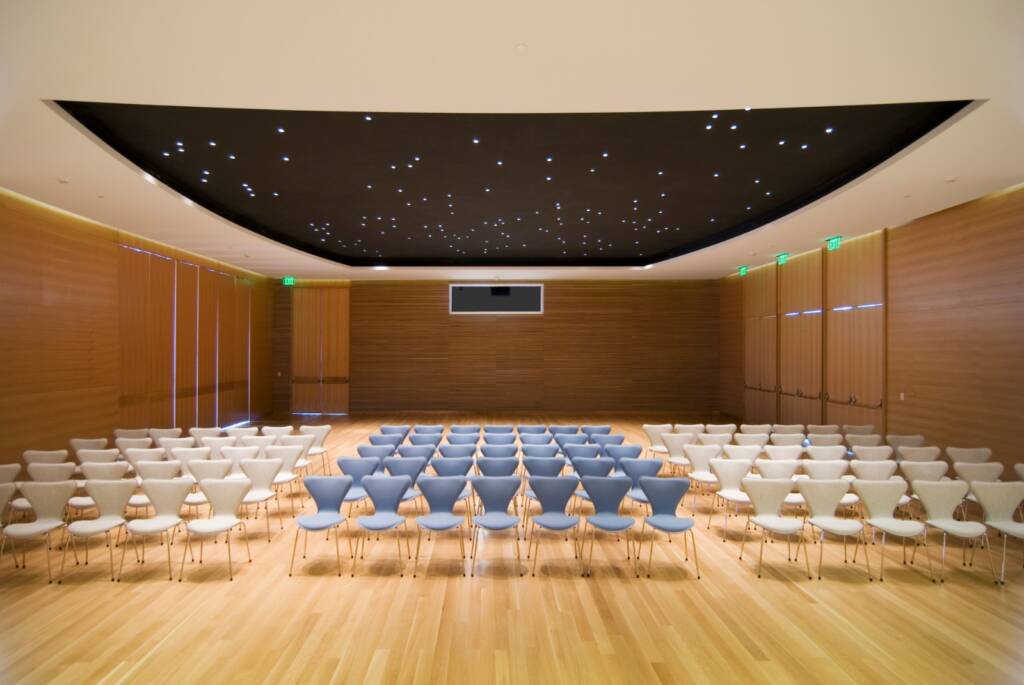
Clear Sound by Design Along With NOISE Team
A Complete Acoustic Guide for Mosques, Churches & Conference Rooms
By NOISE – Where Groomed Architecture Meets Intelligent Sound
Think Before Taking Decision
Most sound problems in mosques, churches, and conference rooms are not equipment problems. They are design problems.
Echo, distortion, feedback, and unclear speech occur when architectural design, surface materials, and sound systems are planned separately. This guide explains — in clear, practical terms — how architecture, acoustics, and PA system design must work together to ensure clarity, dignity, and comfort in spaces meant for prayer, learning, and communication.
1. Why Beautiful Spaces Often Sound Bad
Large prayer halls and conference rooms are designed to impress visually: high ceilings, domes, marble floors, glass walls, open volumes. Unfortunately, these same features are acoustically hostile when left untreated.
Sound behaves scientifically. When it is ignored during design, the result is:
- Echo that repeats words
- Reverberation that blurs speech
- Uneven loudness across the room
- Listener fatigue and frustration
No amount of volume or expensive equipment can fix a room that fights sound physics.
2. How Sound Behaves Inside Large Rooms
When someone speaks:
- Direct sound travels straight to listeners
- Reflected sound bounces off walls, ceilings, floors, domes
If reflections arrive too late or too strong, the listener hears echo. If sound continues bouncing too long, it becomes excessive reverberation, destroying speech clarity.
Clear speech depends more on controlled reflections than on loudness.
3. Core Acoustic Problems Explained
Excessive Reverberation
High ceilings and hard surfaces allow sound to linger too long. Words overlap. Meaning is lost.
Parallel Walls
Sound bounces back and forth, creating flutter echo and standing waves.
Domes & Curved Surfaces
Common in mosques and churches, domes focus sound into hot spots, leaving other areas unclear.
Wrong Sound System Strategy
Single, high-power speakers increase echo instead of clarity.
4. Mosque-Specific Acoustic Design Principles
Mosques are speech-dominant spaces. While spiritual ambience is important, clarity of the Imam’s voice is essential.
Key Challenges
- Domes above prayer areas
- Concave mihrab shapes
- Large open volumes
Best Practices
- Treat domes with segmented or absorptive materials
- Avoid sound-focusing mihrab geometry
- Use distributed speakers at lower volume
- Leverage prayer carpets for absorption
Goal
A balance between spiritual resonance and clear understanding.
5. Church & Worship Hall Acoustics
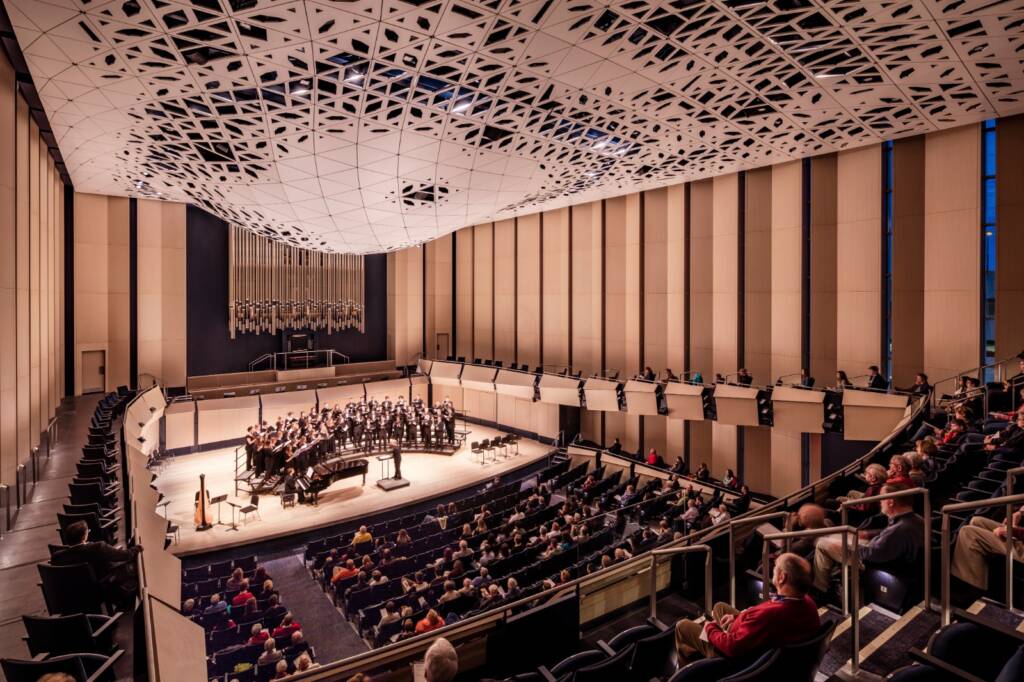
Churches often host speech, choir, and music.
Design Strategy
- Allow controlled reverberation for music
- Maintain speech intelligibility through diffusion
- Avoid excessive absorption that kills musical warmth
A scientifically designed church sounds inspiring and intelligible.
6. Conference Room & Corporate Hall Acoustics
Conference rooms demand precision. Even minor acoustic flaws affect meetings, presentations, and online calls.
Key Requirements
- Shorter reverberation time
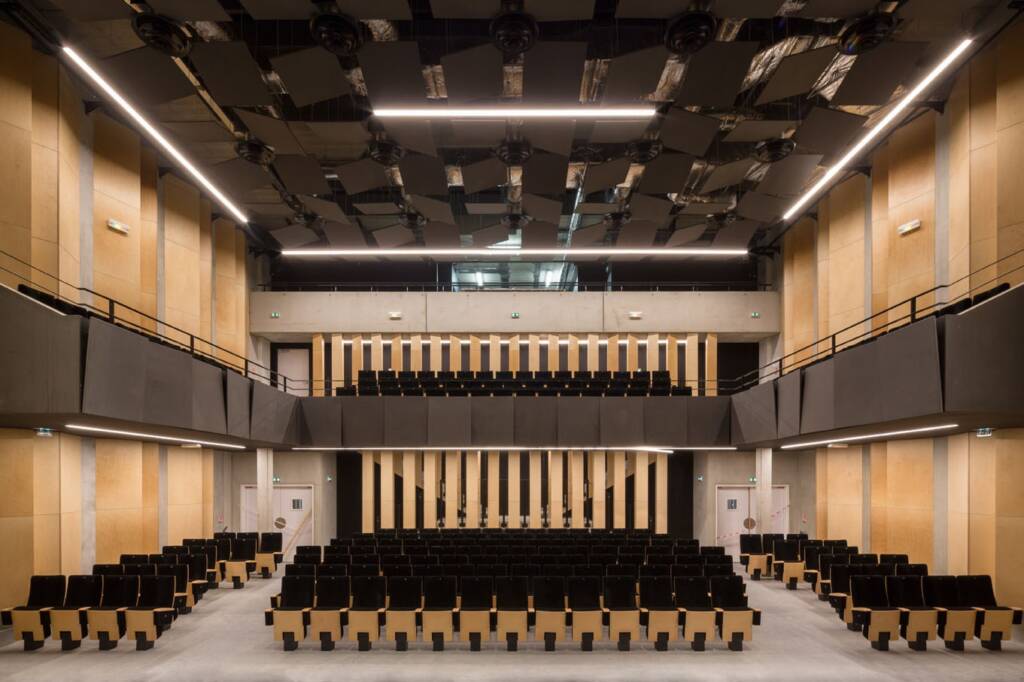
- Acoustic ceilings and wall panels
- Treated glass surfaces
- DSP-controlled microphones and speakers
Poor acoustics reduce productivity and professionalism.
7. Architectural Strategies That Actually Work
Geometry Control
- Avoid long parallel walls
- Use angled or broken surfaces
- Segment large curved elements
Material Balance
- Absorption controls echo
- Diffusion spreads sound evenly
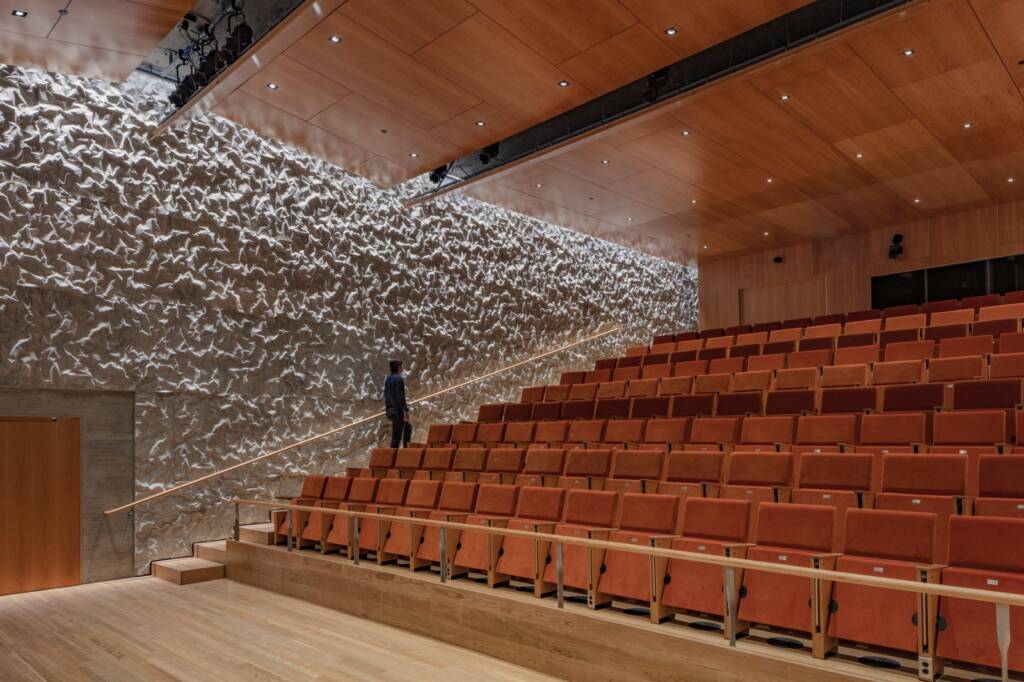
Overuse of marble, tiles, glass, and bare concrete is a common failure.
Ceiling Design
- Suspended acoustic ceilings
- Acoustic clouds in high volumes
- Treated domes — never bare
8. Sound System Design: Working With the Room
A good PA system supports architecture, not fights it.
Smart Design Principles
- Multiple speakers, lower volume
- Correct aiming toward listeners
- Delay speakers for long halls
- DSP tuning for EQ and timing
Simple Speaker Concept Diagram
[Speaker] ➜ ➜ ➜ Listener
↓ (avoid)
[Bare Wall]
Direct sound should reach people before reflections reach walls.
9. Typical Dome Problem (Illustration)
( Dome )
↓
Sound Focus
❌ Hot Spot
Untreated domes concentrate sound instead of spreading it evenly.
10. Common Mistakes to Avoid
- Designing first, fixing sound later
- Increasing volume to fight echo
- Buying equipment without acoustic assessment
- Ignoring acoustics during renovation
11. The NOISE Methodology
At NOISE, we approach sound scientifically:
- Space assessment
- Acoustic problem identification
- Architecture-friendly solutions
- Proper PA system selection
- On-site tuning and calibration
We believe clear sound is a responsibility, especially in spaces meant for prayer, learning, and leadership.
12. Call to Action: Consult Before You Build
If you are planning or renovating a:
- Mosque or prayer hall
- Church or worship space
- Conference or corporate hall
Consult NOISE before finalizing design or equipment.
Early acoustic planning saves cost, prevents regret, and ensures dignity in communication.
NOISE Retail Music Systems & Public Address Solutions Where Architecture Meets Intelligent Sound .