Acoustic Design & Sound System Checklist BY NOISE
A practical suggestion by NOISE for architects, builders, committees, and consultants designing mosques, churches, prayer halls, and conference rooms.
1. Early Planning (Before Construction)
- Define room purpose: speech-only, prayer/sermon, mixed speech & music
- Estimate occupancy and seating layout
- Determine target Reverberation Time (RT60)
- Small–medium prayer rooms: 0.8–1.2 sec
- Large mosques / churches: 1.2–1.8 sec (speech-focused)
- Conference rooms: 0.6–1.0 sec
- Involve an acoustic consultant early
2. Architectural Geometry
- Avoid long, parallel walls (introduce angles or breaks)
- Control domes and concave surfaces (segment or treat acoustically)
- Use stepped or faceted ceilings instead of flat slabs
- Avoid sound-focusing corners and niches near speaker positions
3. Surface Materials (Core of Echo Control)
Absorptive Materials
- Acoustic wall panels (fabric-wrapped / perforated)
- Mineral wool or glass wool behind perforated boards
- Carpets or prayer mats (important for mid–high frequency absorption)
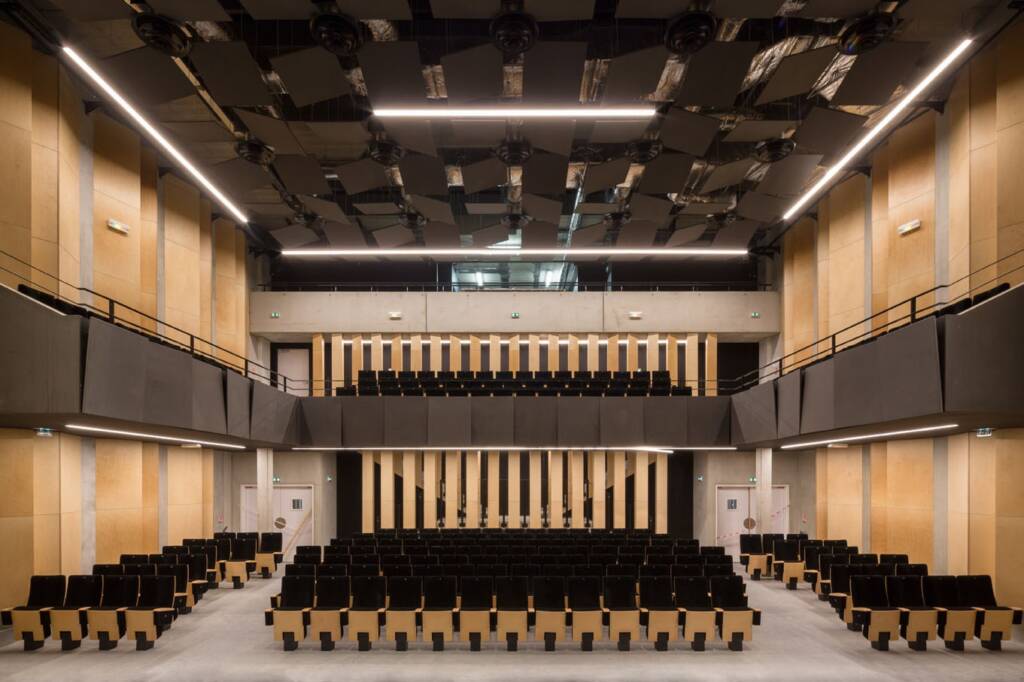
- Acoustic ceiling tiles or baffles
Diffusive Elements
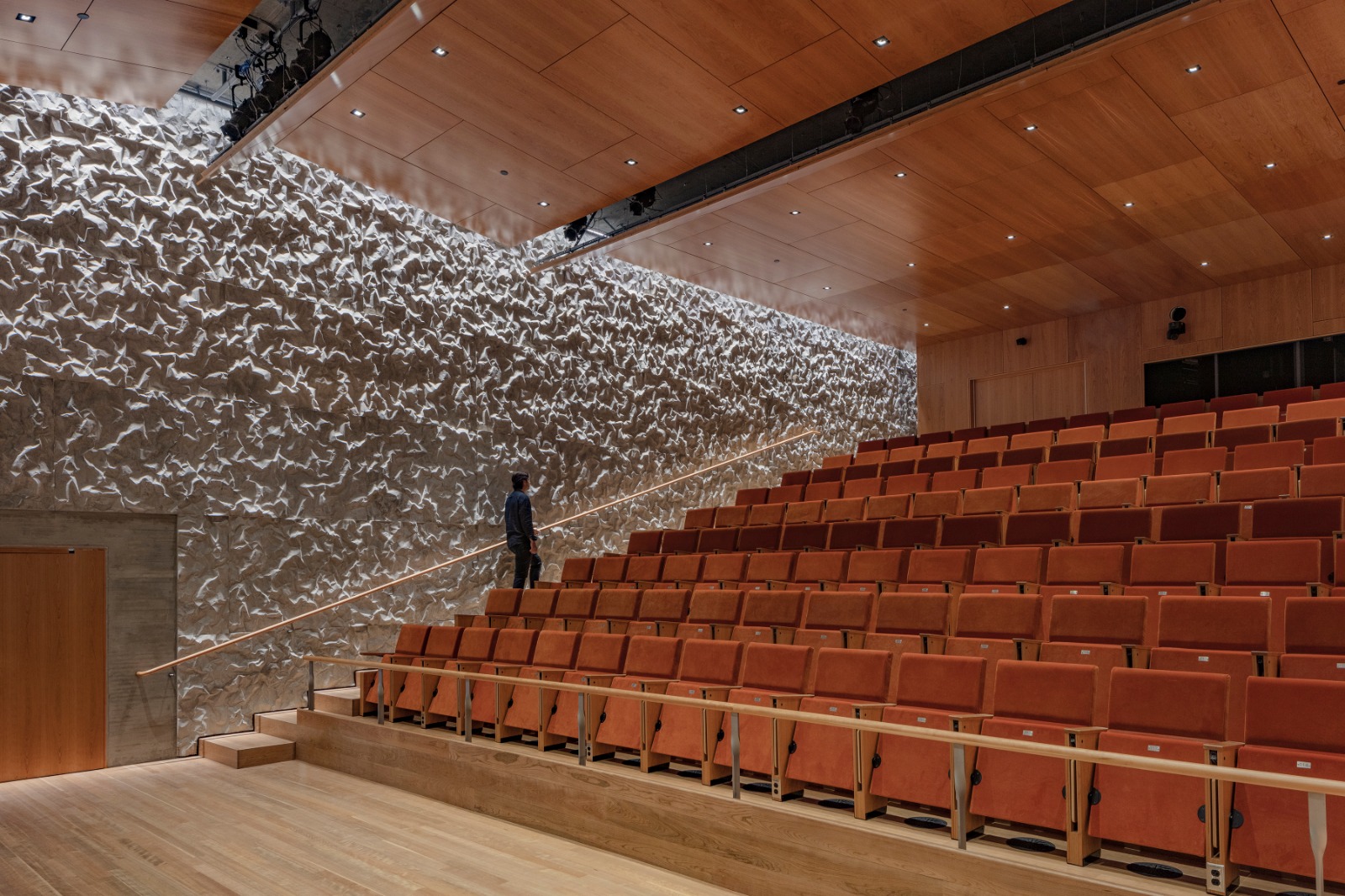
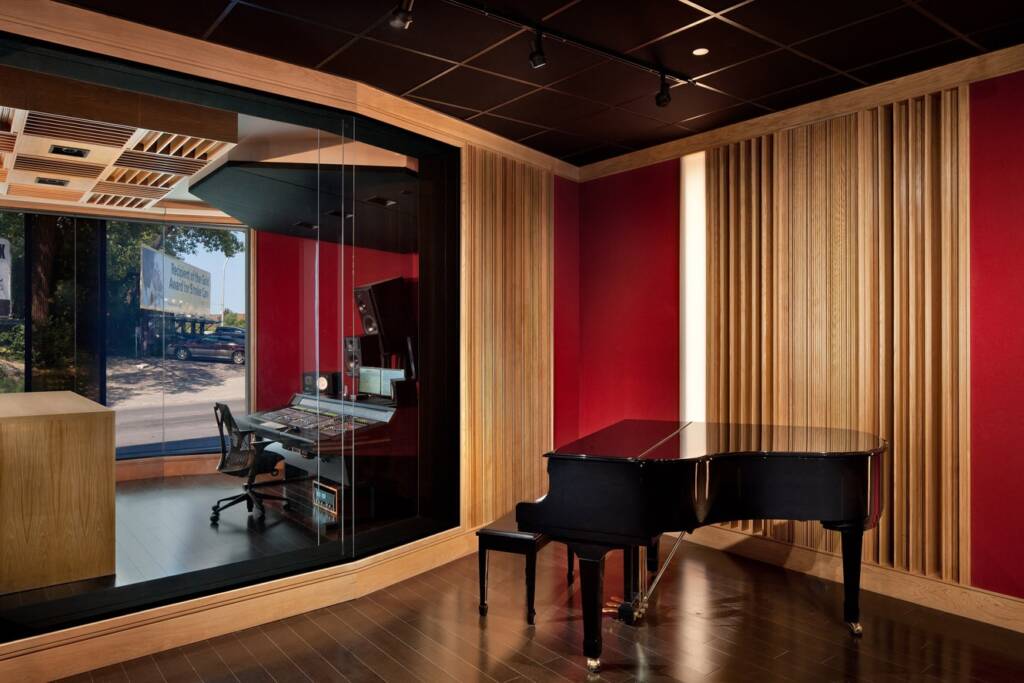
- Wooden diffusers
- Bookshelves / patterned wall elements
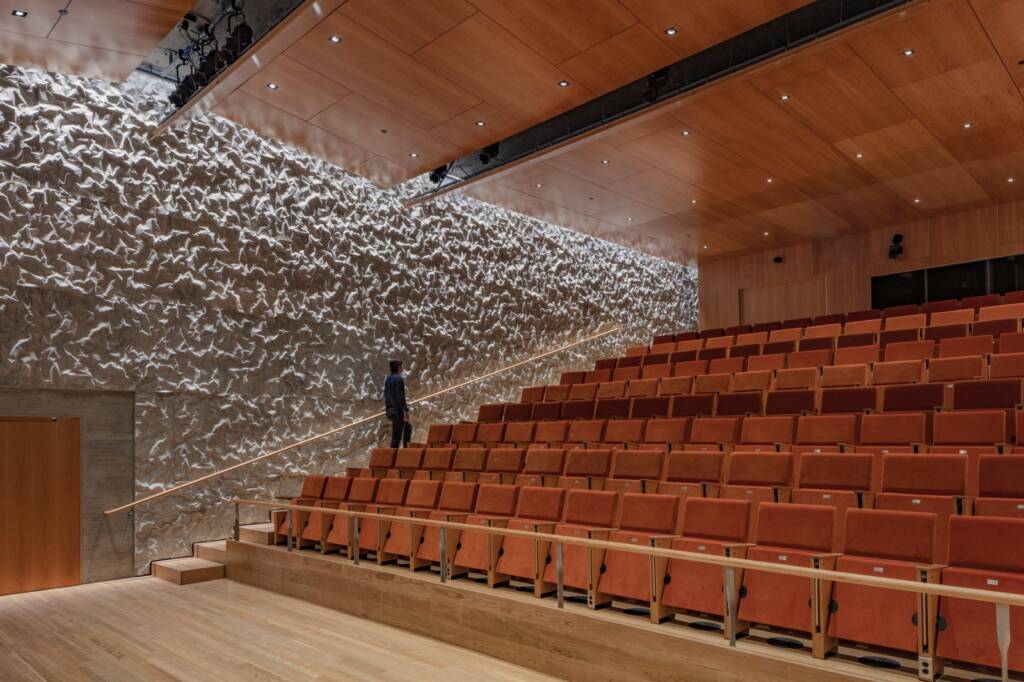
- Geometric wall reliefs
Avoid overuse of marble, glass, tiles, and bare concrete without treatment
4. Ceiling Design
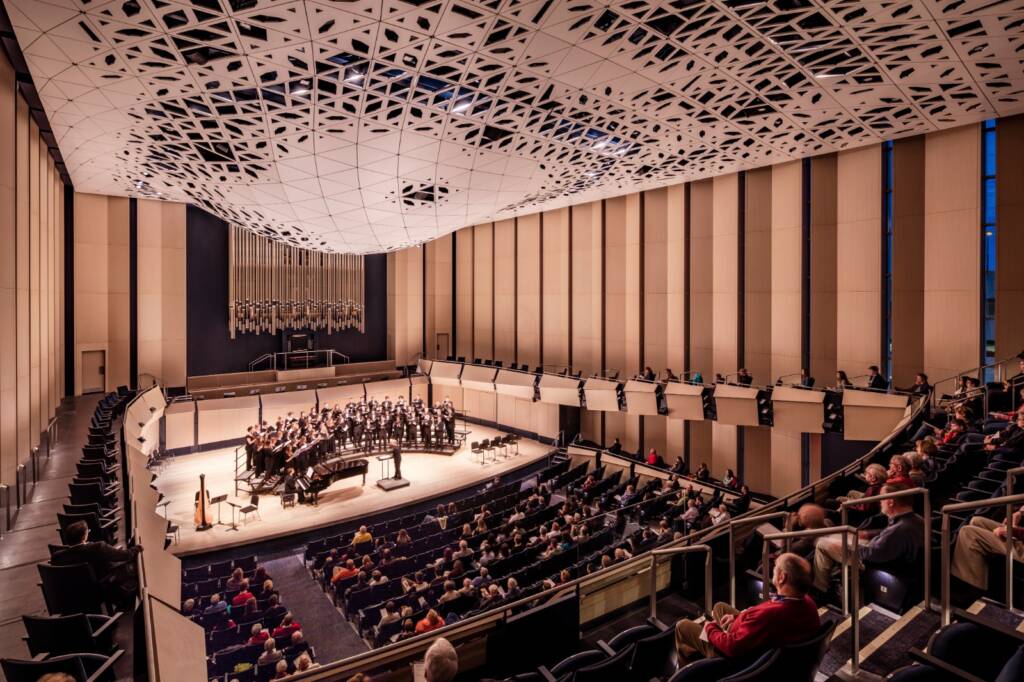
- Use suspended acoustic ceilings where possible
- In high domes: apply ring absorbers or acoustic clouds
- Avoid fully reflective curved ceilings above speaker or imam area
5. Columns, Windows & Openings
- Treat large columns with partial absorption
- Use heavy curtains on large windows if possible
- Seal unnecessary openings that leak sound or create flutter echo
6. Loudspeaker & PA System Planning
- Design speaker layout with the room, not after construction
- Prefer distributed speaker systems over single high-power sources
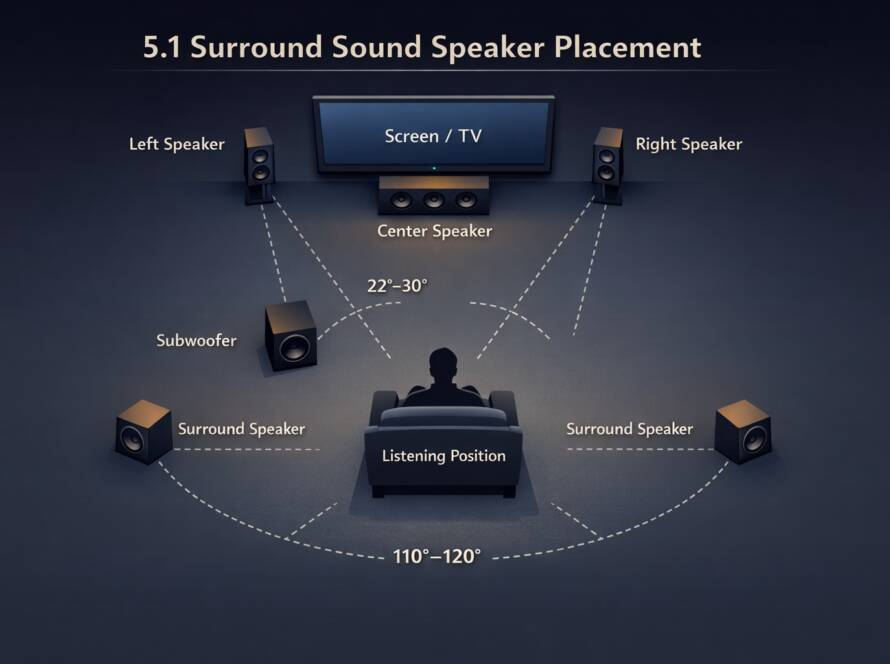
- Mount speakers to aim at listeners, not walls or ceilings
- Use delay speakers in long halls
- Avoid excessive volume to compensate for poor acoustics
7. Electronics & Signal Processing
- Use Digital Signal Processing (DSP) for:
- Equalization (EQ)
- Time alignment (delay)
- Feedback control
- Match microphones to room size and usage
- Avoid cheap microphones in highly reverberant spaces
8. Testing & Commissioning
- Measure actual RT60 after installation
- Conduct speech intelligibility testing (STI)
- Walk-test coverage consistency
- Fine-tune EQ and delays on site
9. Common Mistakes to Avoid
- Installing sound systems without acoustic treatment
- Increasing volume to fight echo
- Copying designs from visually similar but acoustically different buildings
- Ignoring acoustics during renovation
10. When to Call Professionals
- Large-capacity halls (>300 people)
- Domed or architecturally complex spaces
- Persistent echo despite good equipment
- Renovation of heritage or existing buildings
Final Note from NOISE
Good sound is not only about equipment — it is the result of architecture, materials, and scientific design working together. Investing in proper acoustic planning ensures clarity, comfort, and dignity in worship and communication.
NOISE specializes in Retail Music Systems and Public Address Solutions for prayer halls, conference rooms, and public spaces — helping sound serve its true purpose: to be clearly heard.