
The Harmony Between Architecture and Acoustics
Architecture and acoustics are deeply interconnected disciplines. The visual beauty of a building may capture attention, but its acoustic performance determines how people truly experience the space. From concert halls to conference centers, the way a structure manages sound can transform an ordinary environment into a powerful, immersive experience.
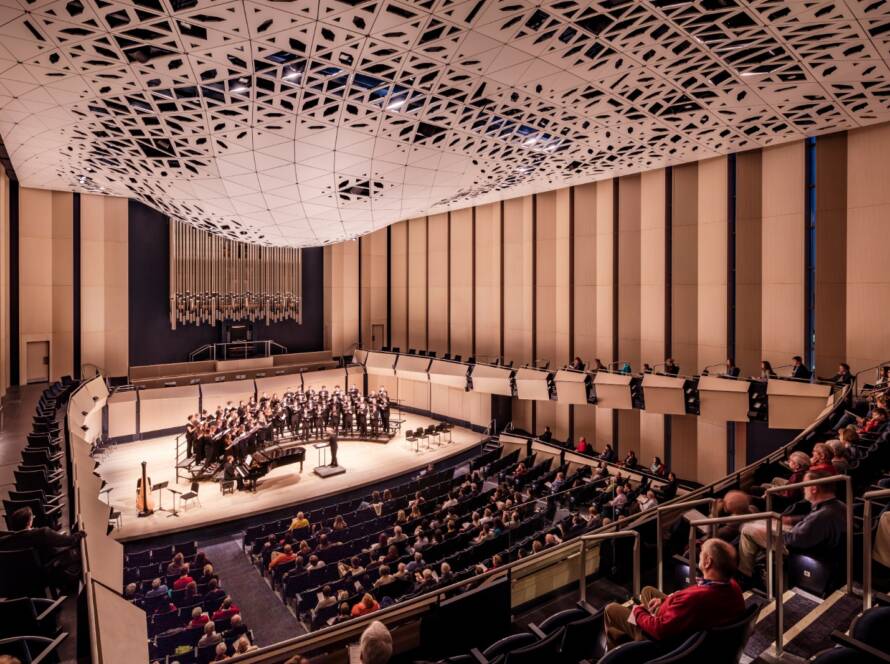
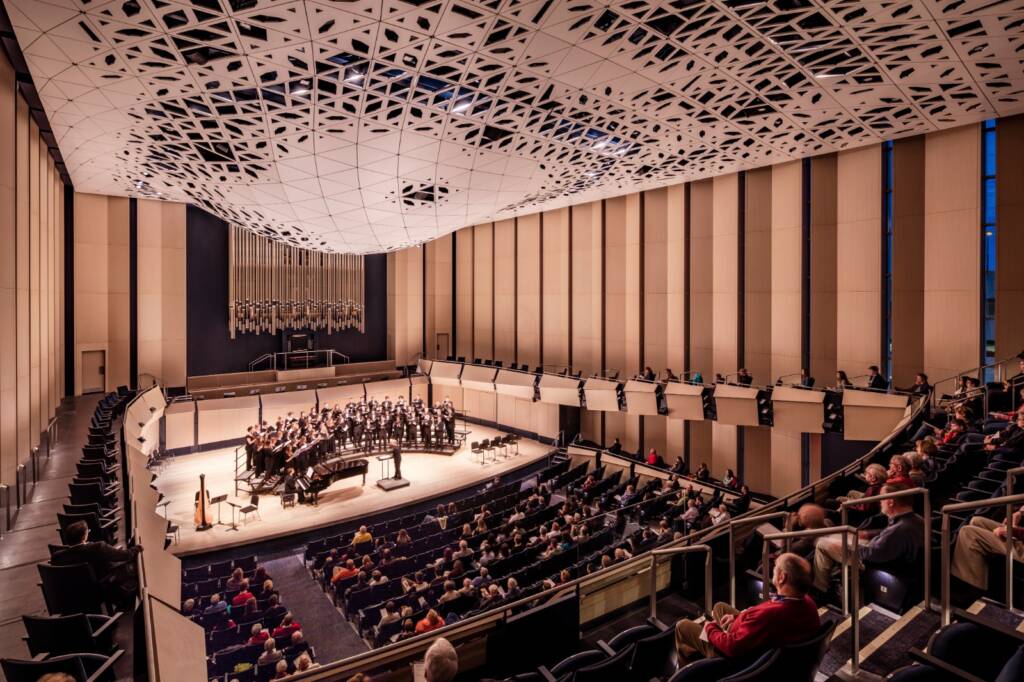
Across the world, architects and acoustic engineers collaborate to design spaces that are not only visually striking but also acoustically exceptional. These buildings demonstrate how science, technology, and design merge to shape environments where sound is heard with clarity, balance, and emotional impact. Exploring acoustically engineered landmarks offers insight into how thoughtful design enhances both function and human experience.
Why Acoustical Design Matters in Performance Spaces
Acoustical design is a critical element of architectural engineering, especially in venues intended for music, speech, worship, and public gatherings. The quality of sound within a space directly affects communication, engagement, and audience satisfaction.
Sound behaves differently depending on a room’s shape, size, surfaces, and materials. Poor design can cause echoes, distortion, or uneven sound distribution, making it difficult for audiences to understand speech or enjoy music. Effective acoustic planning ensures that sound travels evenly, remains clear, and maintains its natural tone throughout the space.
To achieve this, architects and acoustic specialists work together from the earliest design stages. They carefully consider:
- Room geometry and proportions
- Wall, ceiling, and flooring materials
- Seating layout and audience positioning
- Stage or speaker placement
The objective is to create an environment where sound supports the purpose of the space — whether that is a symphony performance, a sermon, or a corporate presentation — delivering an experience that feels natural and immersive to every listener.
Technologies That Shape Modern Acoustic Design
Modern acoustic performance is not achieved by structure alone. Today’s high-quality venues combine architectural design with advanced acoustic technologies.
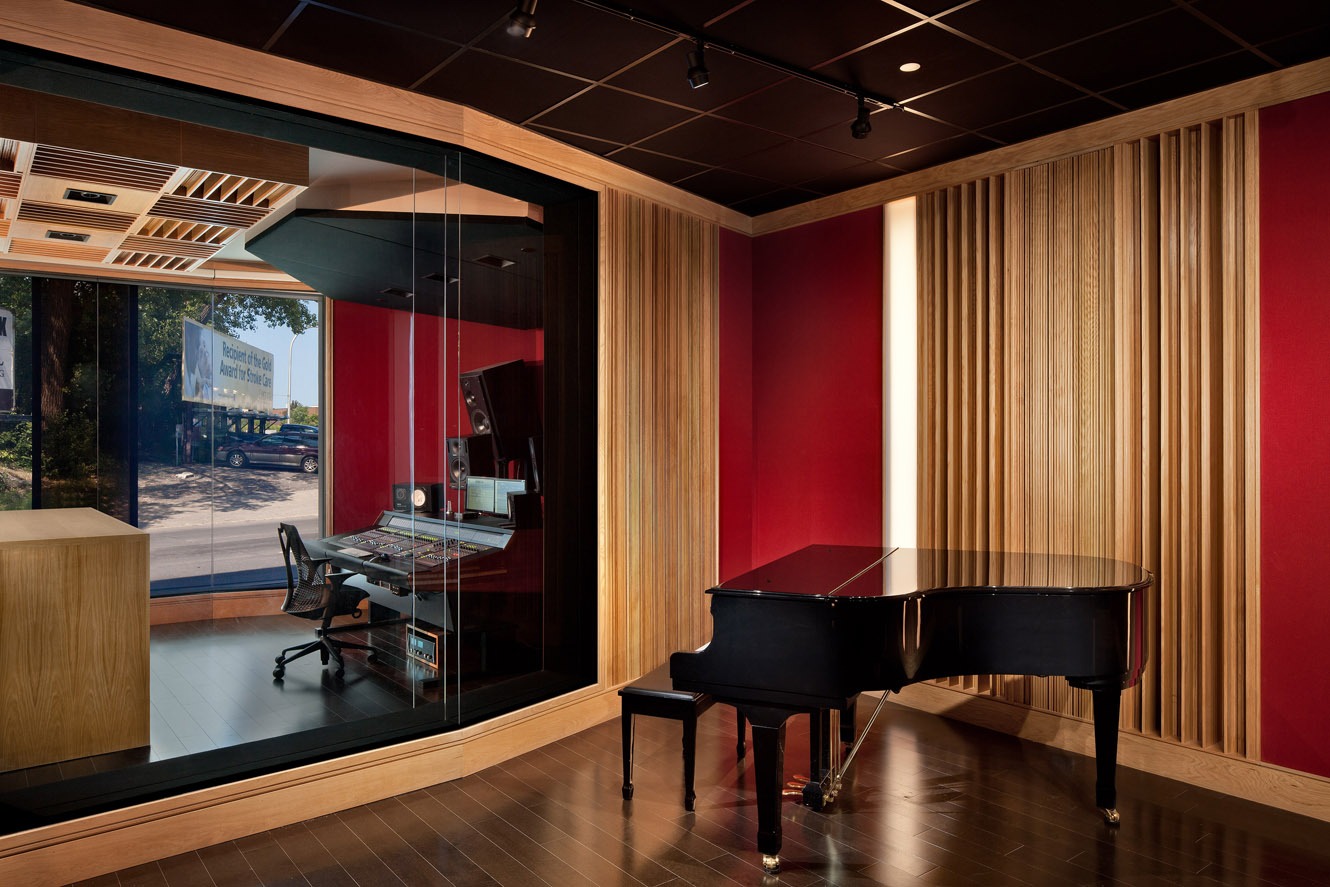
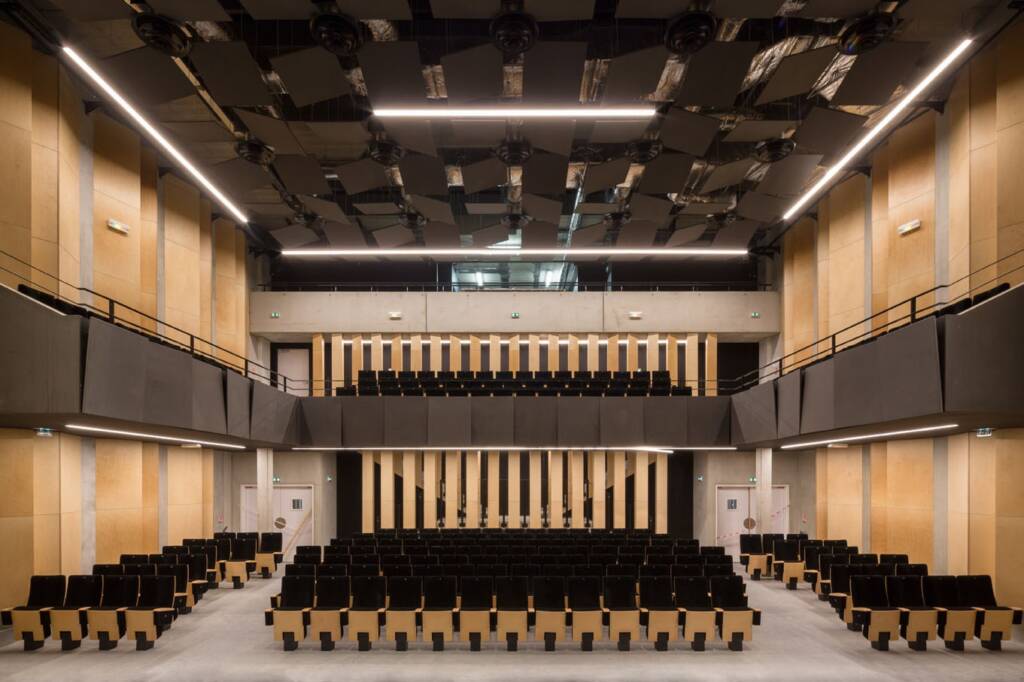
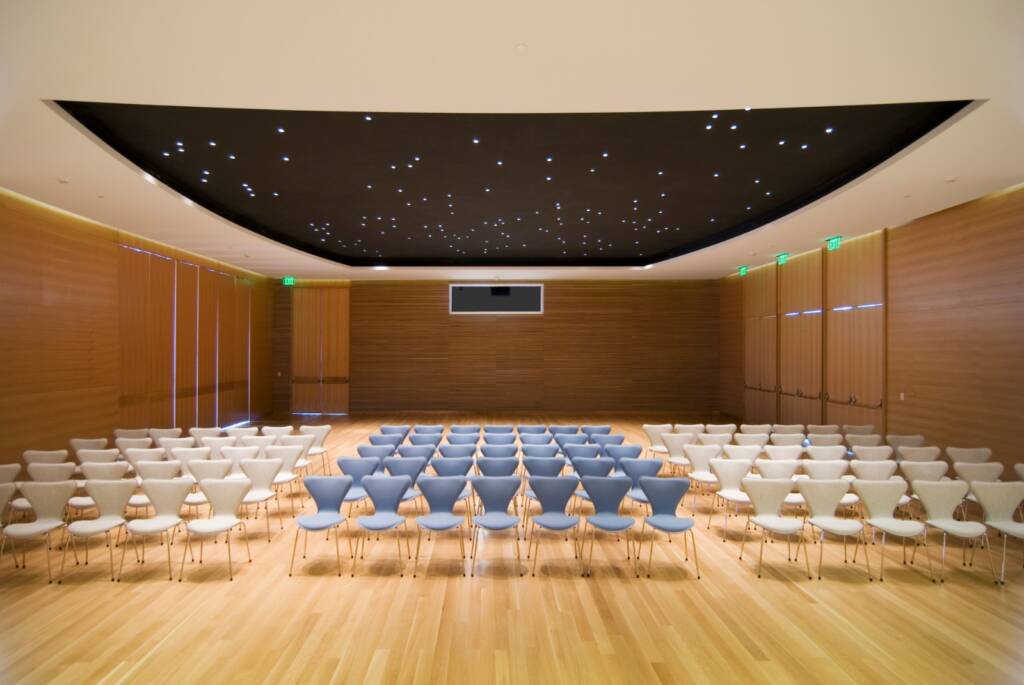
Sound-absorbing materials are used to control excessive reverberation and prevent unwanted echoes. These materials are often integrated into walls, ceilings, and interior finishes without compromising aesthetics.
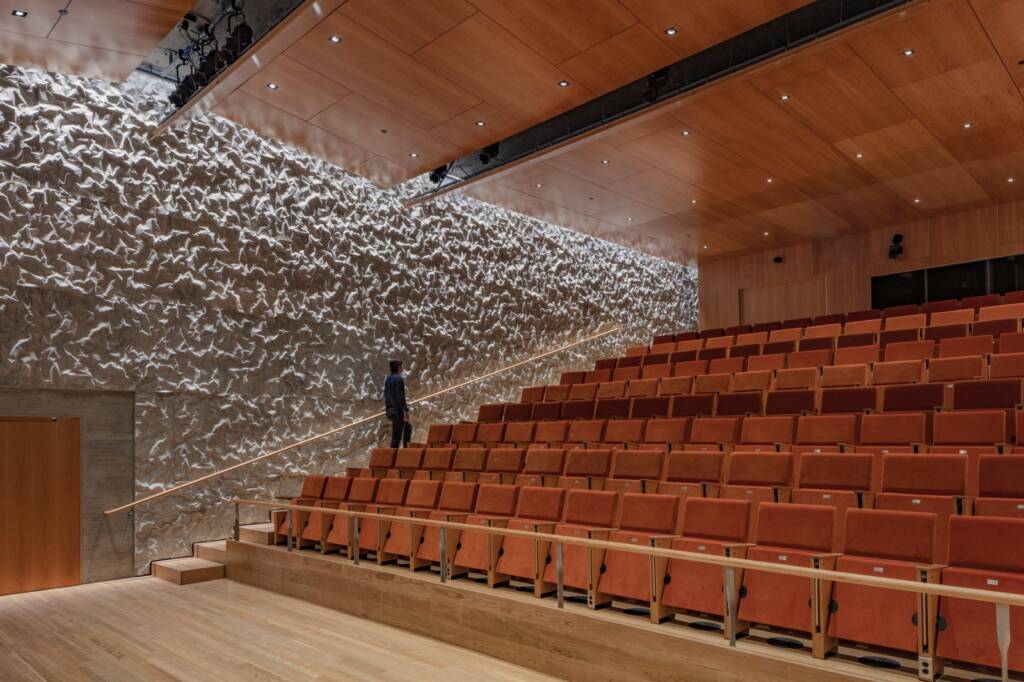
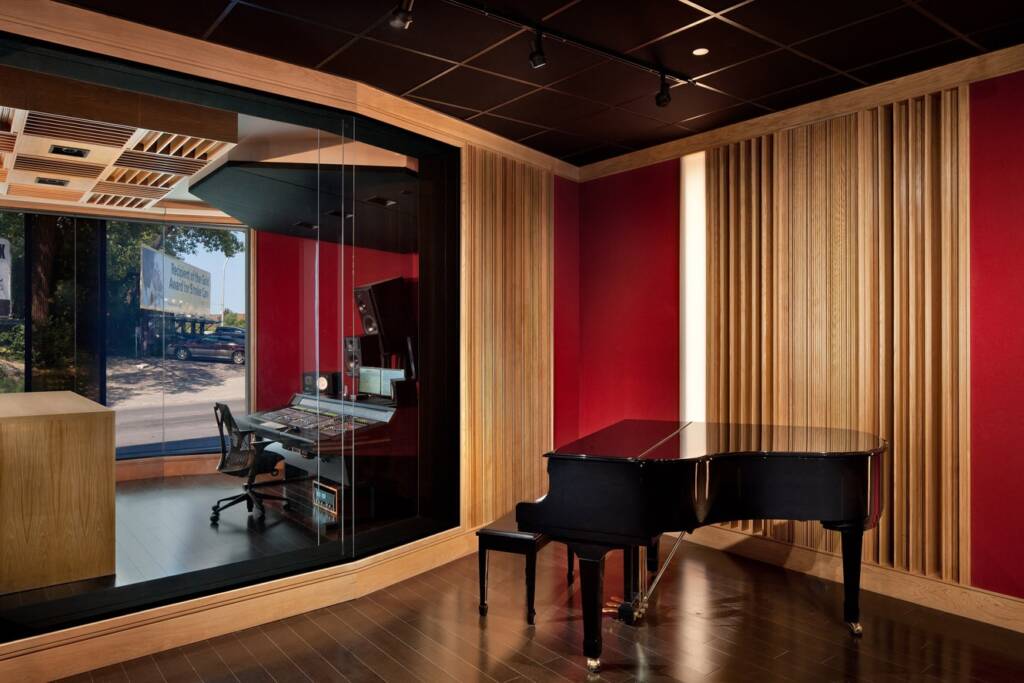
Acoustic diffusers help distribute sound evenly throughout a space. Instead of allowing sound waves to bounce back in a single direction, diffusers scatter them, creating a balanced and natural listening environment.
Digital signal processing (DSP) adds another layer of control. With DSP systems, sound engineers can adjust audio in real time to suit different types of events, ensuring optimal clarity for speech, music, or multimedia presentations.
Together, these solutions allow venues to maintain both architectural elegance and acoustic precision.
Conclusion: Designing Spaces That Sound as Good as They Look
Great architecture is experienced not only through sight, but also through sound. When acoustics are thoughtfully integrated into design, buildings become more than structures — they become environments that communicate, inspire, and connect people.
The most successful performance spaces in the world demonstrate a perfect balance between form and function, where architectural beauty and acoustic excellence work in harmony. For designers, engineers, and technology providers alike, this balance remains the foundation of creating spaces that truly resonate with their audiences.