




Beautiful Acoustically Designed Buildings Around the World
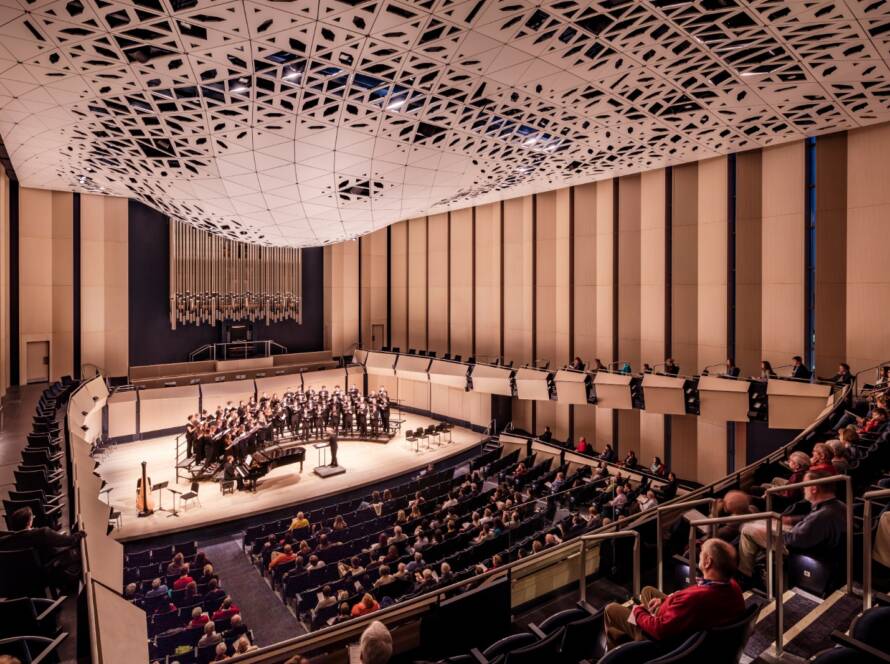
Around the globe, certain landmark buildings stand out not only for their architectural beauty but also for their extraordinary acoustic engineering. These spaces demonstrate how design and sound science come together to create world-class listening experiences.
1. Sydney Opera House – Australia
One of the most recognizable buildings in the world, the Sydney Opera House is an icon of both architecture and performance. Inside its sculptural shell structures, advanced acoustic treatments and carefully engineered interior surfaces help support orchestral music, opera, and live performances, ensuring clarity and balance across the halls.
2. Walt Disney Concert Hall – Los Angeles, USA
Designed by architect Frank Gehry with acoustics by renowned engineer Yasuhisa Toyota, this concert hall is celebrated for its warm, rich sound. The vineyard-style seating surrounds the stage, bringing audiences closer to performers while curved wooden surfaces help distribute sound evenly throughout the hall.
3. Elbphilharmonie – Hamburg, Germany
Rising above the historic port of Hamburg, the Elbphilharmonie combines modern glass architecture with one of the most technically advanced concert halls in the world. Its interior features thousands of uniquely shaped acoustic panels that scatter sound precisely, creating exceptional clarity from every seat.
4. Musikverein – Vienna, Austria
Home to the Vienna Philharmonic Orchestra, the Musikverein’s Golden Hall is often regarded as one of the finest acoustic spaces ever built. Its classic rectangular “shoebox” design, ornate surfaces, and carefully proportioned dimensions naturally enhance reverberation and tonal richness.
5. Royal Albert Hall – London, UK
This historic venue has evolved acoustically over time. Modern acoustic diffusers — sometimes called “mushrooms” — were installed beneath the dome to control echo and improve sound clarity. The hall now successfully hosts everything from orchestral concerts to amplified events.
6. Philharmonie de Paris – France
Another collaboration with acoustic expert Yasuhisa Toyota, this hall uses innovative geometry and suspended acoustic reflectors to create intimacy despite its large size. The seating terraces wrap around the stage, ensuring consistent sound coverage and audience engagement.
7. Esplanade – Theatres on the Bay, Singapore
Known for its distinctive dome-shaped exterior, the Esplanade houses performance spaces engineered for both Western and Asian musical traditions. Adjustable acoustic systems allow the halls to adapt to different performance styles, from symphonies to spoken-word events.
What These Buildings Teach Us
These global landmarks show that outstanding acoustics are never accidental. They are the result of:
- Early collaboration between architects and acoustic engineers
- Careful attention to geometry and materials
- Integration of sound control technologies
- Design decisions that prioritize the listener’s experience
Whether designing a concert hall, a conference center, a place of worship, or a public auditorium, the lesson is clear: sound must be considered as carefully as structure and aesthetics.
For businesses, institutions, and designers, understanding these principles helps ensure that spaces are not only visually impressive — but also acoustically exceptional